
Responsible Mining
Responsible Mining and Supply-Chain Due Diligence
Mineral supply chains from Central Africa are scrutinised closely, and rightly so. Afrimet Global Resources treats documentation, verification and the willingness to decline as the working definition of responsible conduct.
Position
What responsible conduct means here
Responsible sourcing is not a statement a company can make about itself. It is a set of checks that either produce evidence or do not. Where the evidence is incomplete, the correct commercial answer is to stop.
We do not describe material as conflict-free, certified or independently accredited unless that has been substantiated for the specific consignment or project by a party other than ourselves.
Our commitments run to process: verify counterparties, document origin, use independent inspection, respect environmental and community obligations, and put every commercial term in an executed contract.
Framework
The four pillars
Documented origin
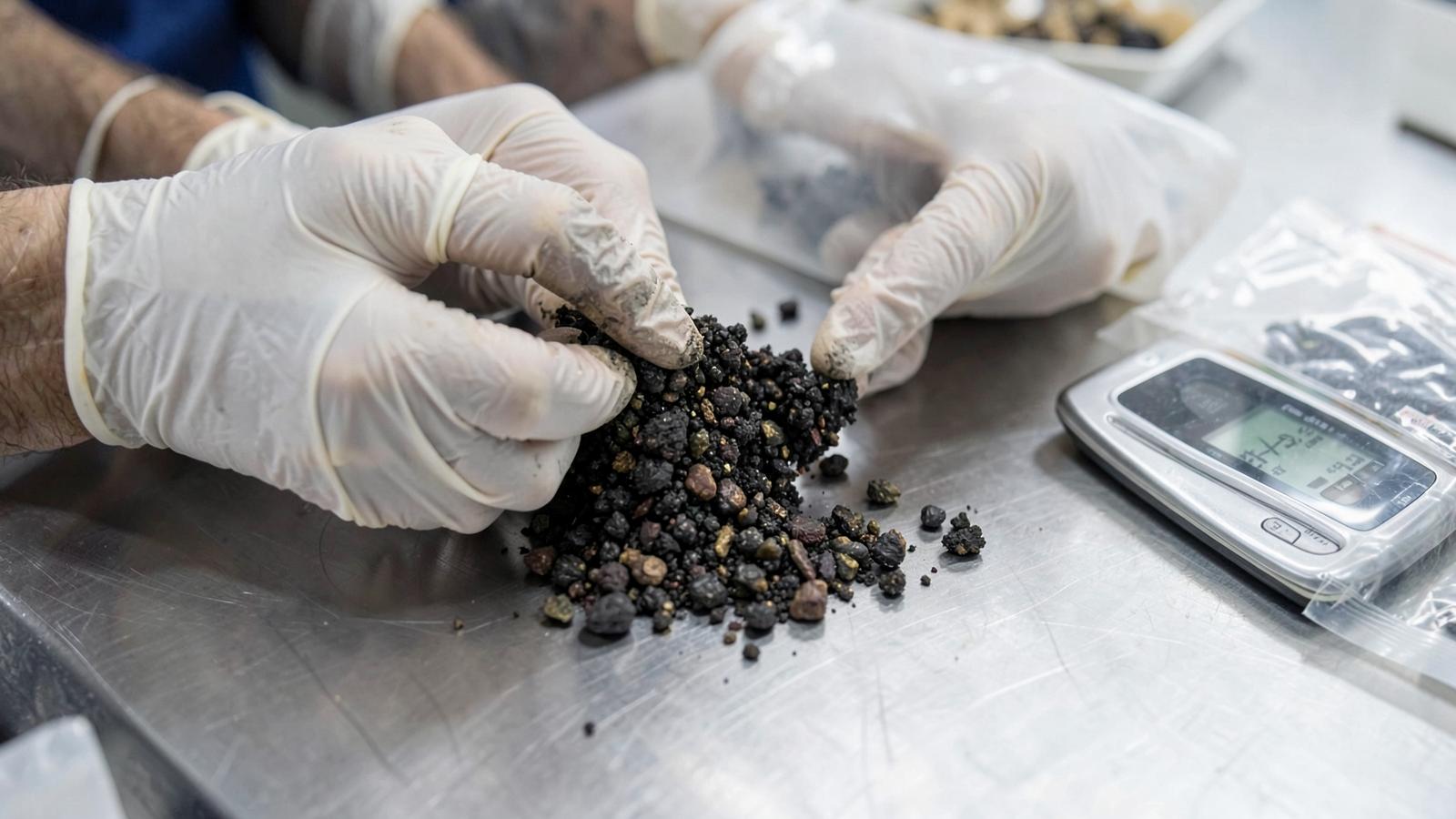
Origin and chain-of-custody records assembled per consignment, with enhanced diligence for higher-risk material such as cobalt, coltan and cassiterite.
Counterparty integrity
KYC/AML, beneficial ownership and sanctions screening on every party before commercial terms are discussed.
Independent verification
Sampling, assay, weighing and inspection performed by independent parties at the points written into the contract.
Environment & community
Projects progressed against the environmental, safety and community obligations that apply under the law of the host jurisdiction.
Standards
Areas we work to support
- Regulatory compliance
- Mineral origin verification
- Responsible sourcing
- Environmental responsibility
- Community engagement
- Health and safety
- Transparency and due diligence
Environment
Land, water and rehabilitation
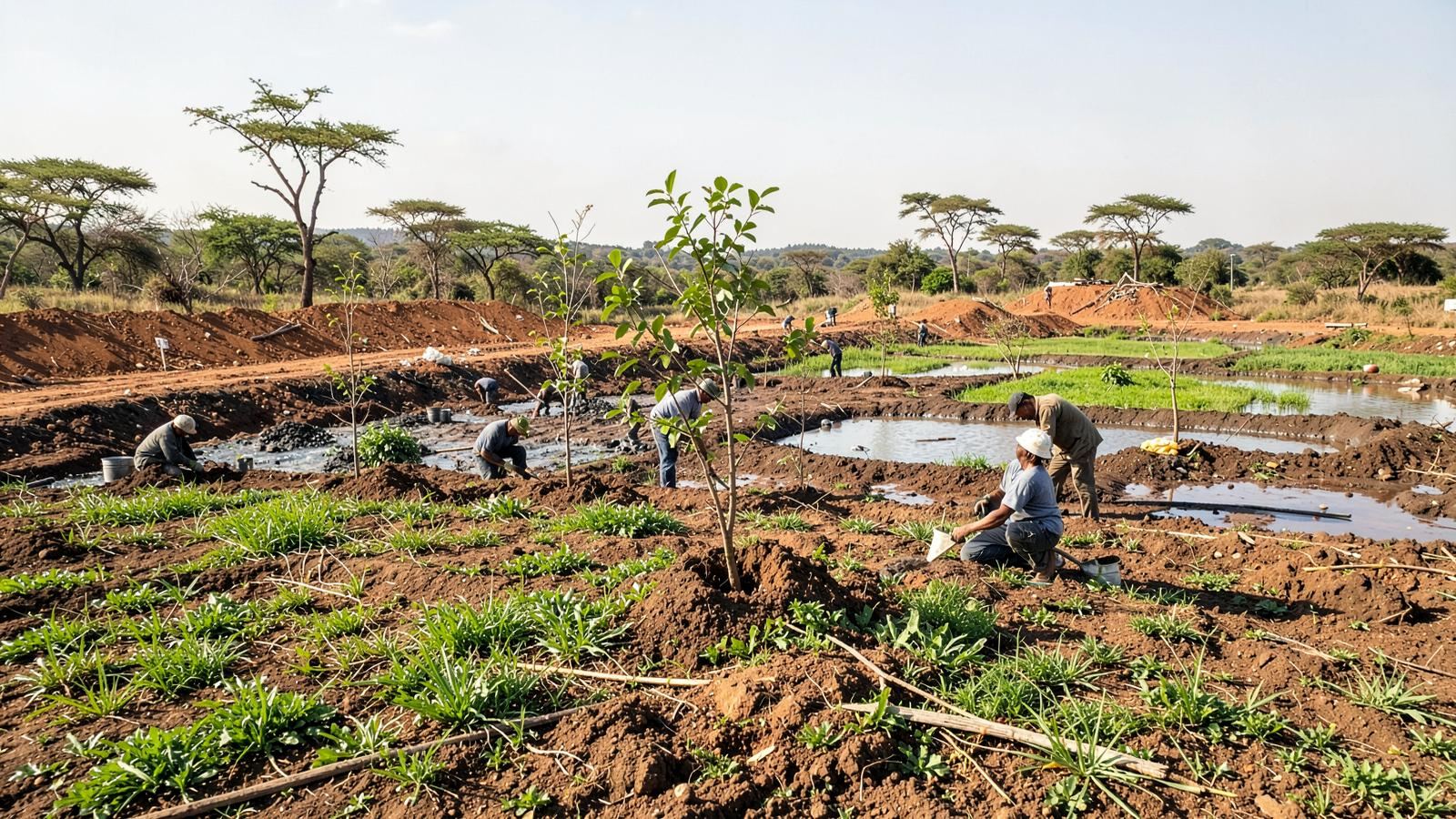
Mining changes land, and the obligations that attach to that change are set by the law of the host jurisdiction, the permit and the environmental study behind it. Water management, tailings handling, dust and noise control and progressive rehabilitation are project costs, not optional extras.
Where Afrimet Global Resources participates in a project, environmental responsibility is allocated in the partnership agreement — who carries it, how it is funded and how compliance is evidenced — before field activity begins.
People
Communities, safety and local participation
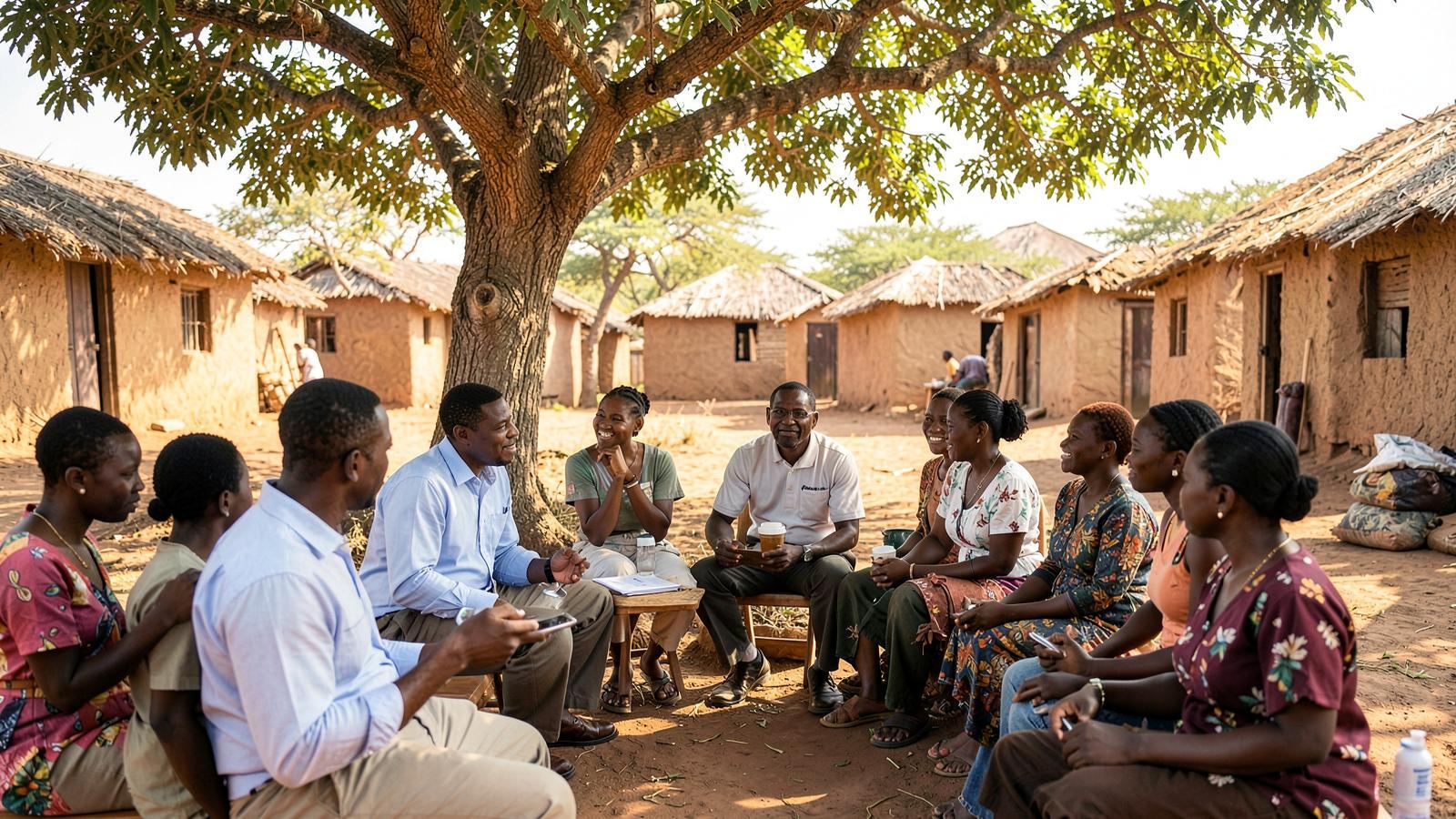
Projects sit inside communities that carry the consequences of how they are run. Engagement works when it starts early, records what was said, and reflects local employment, procurement and grievance handling in the way the project is actually operated.
Health and safety follows the same logic: documented procedures, induction and briefing before work, protective equipment, incident reporting and corrective action. Partners are expected to work to those standards, and a partner who will not is not a partner we take on.
Safety
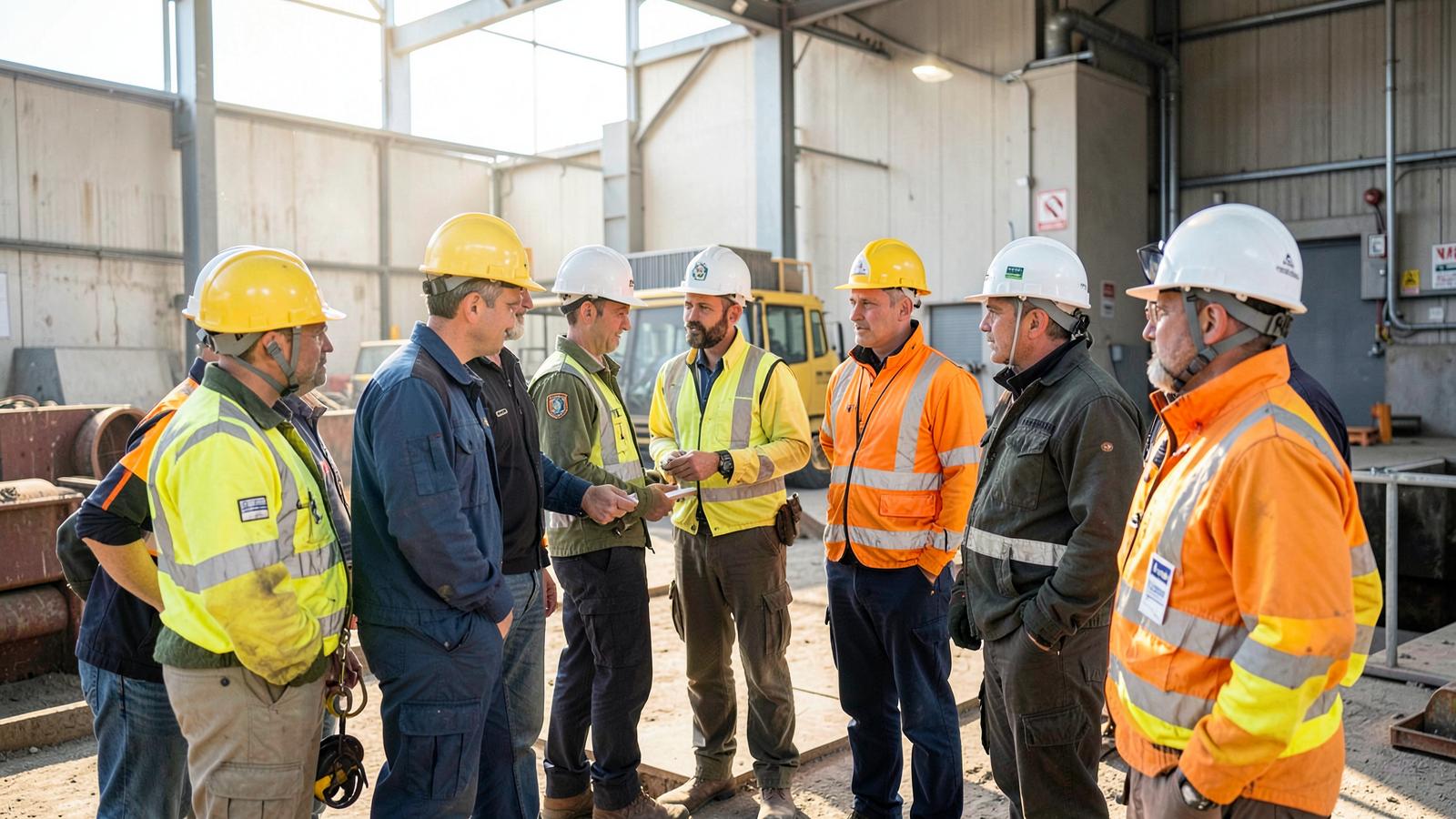
Site discipline before production
Every operating partnership begins with the safety framework: who is accountable, what training is required, how incidents are reported and what stops work. Production targets never override that framework.
In practice
How this shows up in a transaction
- Screening completed before pricing or availability is discussed
- Written specification and assay basis agreed in advance of contract
- Independent inspection appointed under the contract, not chosen after the fact
- Export, customs and origin documentation prepared to the country of export's requirements
- Records retained in line with the privacy policy and applicable law
- Transactions declined where origin, authority or documentation cannot be established
Questions
Frequently asked questions
Are you certified under a responsible-sourcing scheme?
We do not claim certification or scheme membership on this website. Where a specific consignment or project carries independent documentation, that documentation is provided so the counterparty can assess it directly.
How is origin established?
Through documentary evidence assembled per consignment, chain-of-custody records and verification of each party's authority to sell — supported by independent inspection where the contract provides for it.
What happens if due diligence fails?
The transaction or project does not proceed. Declining is a normal outcome of the process, not an exception to it.
Explore
Related pages
Ask about our due-diligence process
Every statement here is subject to verification, documentation, contract and applicable law.