Buyer Process
How a mineral transaction works, stage by stage
Afrimet Global Resources operates as an international trade desk. Every enquiry follows the same documented sequence, and nothing advances until the preceding stage is satisfied — subject to verification, documentation, contract and applicable law.
This page sets out what an international refinery, smelter, manufacturer or trading house should expect from first written enquiry through to final settlement. It exists so that buyers can judge the process before committing time to it: what information is asked for, at what point compliance screening happens, where independent inspection sits, and which terms are only ever established in a signed contract.
- 01
Buyer Enquiry
The buyer submits commodity, specification, quantity, destination and intended structure.
- 02
KYC / AML
Counterparty identity, corporate documents, beneficial ownership and sanctions screening are reviewed.
- 03
Product & Specification Confirmation
Form, grade, assay basis, packaging and tolerance are confirmed against actual availability.
- 04
Commercial Offer
A written offer sets out specification, quantity, pricing basis, validity and delivery basis.
- 05
Contract
The executed agreement establishes the binding terms for that specific transaction.
- 06
Inspection / Assay
Independent inspection and assay are performed at the points agreed in the contract.
- 07
Export Documentation
Export, origin and customs documentation is prepared in line with the requirements of the country of export.
- 08
Logistics & Insurance
Secure transport and insurance are arranged according to the agreed Incoterm and responsibilities.
- 09
Delivery
Material is delivered to the agreed destination, port, refinery or facility.
- 10
Final Settlement
Final weights, assays and reconciliation are settled as defined in the contract.
Independent inspection and assay
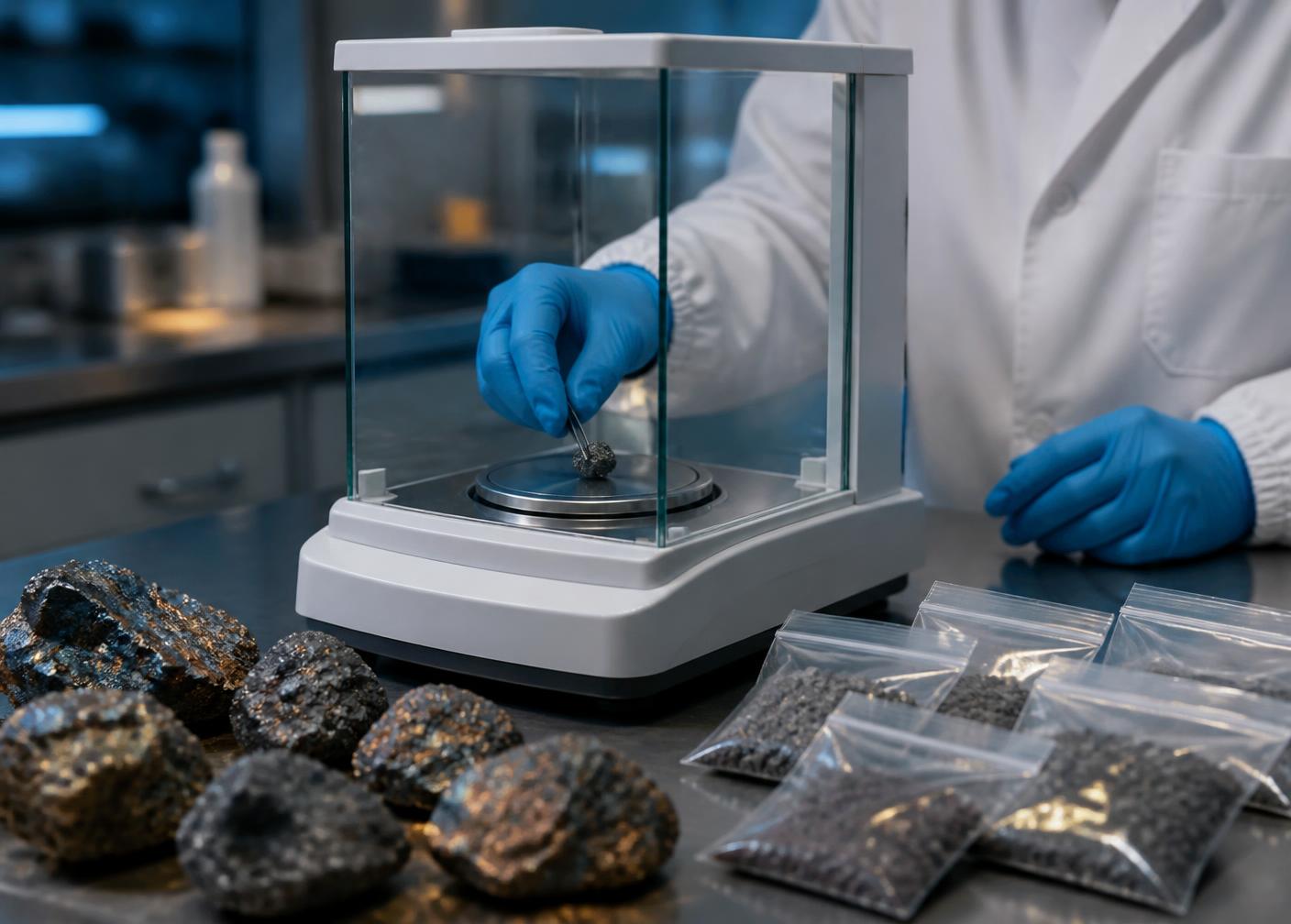
Purity, grade and weight are established by independent verification rather than by assertion. The contract names the surveyor or laboratory, the sampling and weighing points, the assay method, the tolerance applied and the umpire procedure that resolves a disputed result. Buyers who intend to re-assay at the destination refinery should say so at enquiry stage so the settlement basis reflects it.
Export documentation
Documentation is coordinated against the requirements of the country of export and the destination: certificate of origin, export authorisation, assay and inspection certificates, packing and weight lists, transport documents and the chain-of-custody trail connecting them. Where a destination applies additional due-diligence expectations, those records are identified before shipment rather than after arrival.
International logistics and delivery
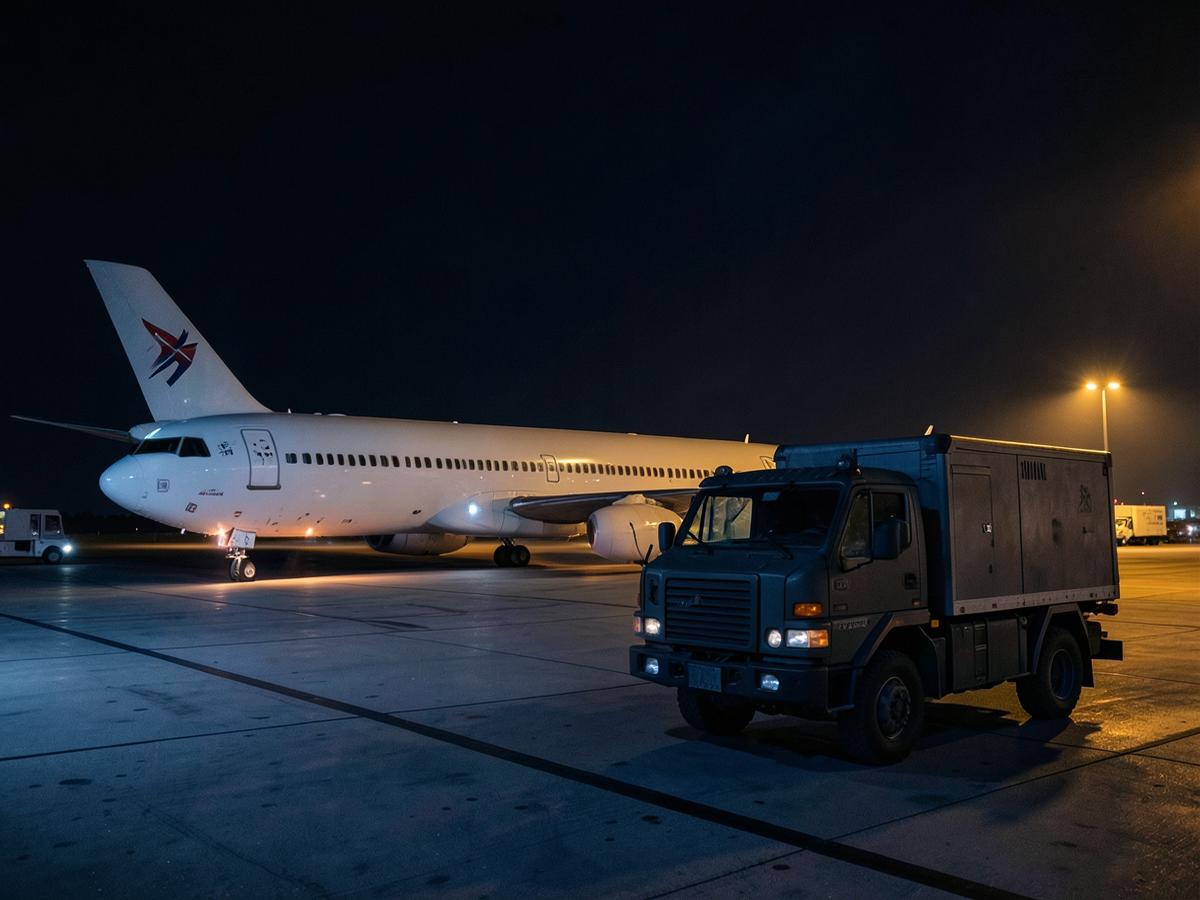
Routing depends on commodity, form and destination. Refined precious metal typically moves by secure insured air carriage with escort and vaulting at agreed points; base metal cathode and concentrate move as containerised or bulk sea freight through recognised regional export gateways. The Incoterm agreed in the contract determines who carries risk, cost, insurance and customs responsibility on each leg — it is never assumed from the quotation.
- Insurance responsibility and cover level allocated explicitly by Incoterm.
- Inspection and title transfer points defined before shipment.
- Final weights and assays reconciled at settlement as the contract defines.
Questions
Buyer process questions
How does an international buyer start a transaction?
A buyer submits the commodity, specification, quantity range, destination port or facility and intended commercial structure through the quotation form. The trade desk acknowledges written enquiries within one business day and confirms what further information is required before compliance review.
What happens during compliance review?
Corporate registration documents, the authorised representative's identification, beneficial ownership information and sanctions screening are reviewed. Commercial discussion does not advance until this stage is satisfied, and any file may be declined where origin, ownership or payment routing cannot be verified.
Is a quotation a binding offer?
No. Indications given before contract are non-binding. Binding terms including specification, quantity, pricing basis, Incoterm, inspection protocol and settlement arise only from an executed contract, and remain subject to verification, documentation and applicable law.
Who performs inspection and assay?
Independent inspection, sampling, weighing and assay are carried out by a surveyor or laboratory appointed under the contract, at the points and with the umpire procedure the parties agree before signature.
Who arranges export documentation and freight?
Export, origin and customs documentation is coordinated in line with the requirements of the country of export. Transport, security and insurance responsibility follow the agreed Incoterm, which is set out in the contract rather than assumed.
How long does the process usually take?
Timing depends on how quickly buyer documentation is provided, on availability at the time of enquiry and on the destination's import requirements. No fixed timeline is represented; each stage advances only when the preceding one is complete.
Explore
Continue from here
Buyer verification
The KYC and corporate documentation required before commercial discussion.
Compliance overview
Due diligence, sanctions screening and responsible sourcing standards.
Destination markets
Requirements for buyers in the Gulf, Asia, Europe and North America.
Commodities
Gold, copper, cobalt, lithium and other minerals we work with.
Market prices
Indicative international reference prices and how to read them.
Contact the trade desk
Written enquiries to trade@afrimetglobal.com.
Terms are set by contract, not by this website
Exact commercial terms, pricing basis, payment structure, Incoterms, insurance responsibility, inspection protocol and delivery arrangements are established in the applicable offer and executed contract for each transaction. Any indication given before contract is non-binding.